

Before Your Furnace or Hot Water Fails
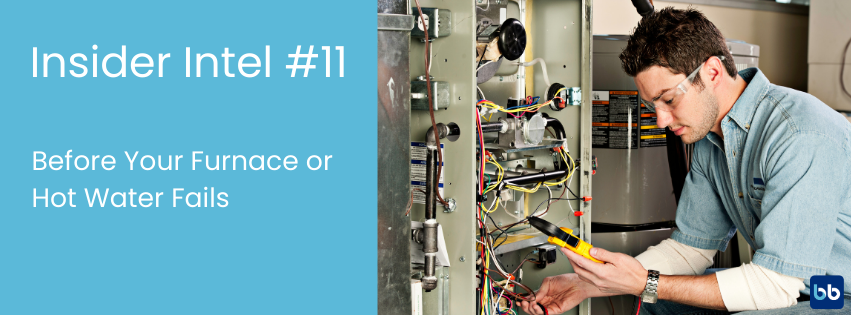
Winter is when furnaces, water heaters and older appliances tend to quit with no warning – usually on the coldest night, when you have the least time to think.
A little planning now can turn a “no‑heat” emergency into a calm, planned replacement instead of a rushed decision under pressure.
1: Spot what's likely to fail first
Before you worry about brands or quotes, figure out which big items in your home are closest to end‑of‑life.
Focus on the heavy hitters: Furnace, hot water tank, major kitchen and laundry appliances – the things that would seriously disrupt your life if they stopped working.
Find the age: Check install stickers on the units, serial‑number labels, receipts, or home inspection reports; if you truly can’t find it, estimate the year based on when you moved in or last renovated.
Compare to typical lifespans: As a rough guide, many gas furnaces are in the risk zone by around 18 years and gas water heaters around 10 years. Newer 'smart' models may fail earlier, even when they are still under 10 years old.
If something critical is already past the typical range, assume it could fail at any time and treat it as a priority for a plan, even if it’s still running today.
2: Plan replacements before technicians do it for you
Most of the worst stories start the same way: no heat, no hot water, or a dead fridge – and a technician / salesperson who appears with a “today only” solution.
Give yourself a 2–3 year runway: If a major system is within a couple of years of average lifespan, start researching replacement options now instead of waiting for a breakdown.
Avoid panic‑buy patterns: Be wary of “we’re in your area,” “free furnace inspection,” and door‑to‑door energy equipment offers, especially if they push you toward instant signatures or financing.
Decide your upgrade strategy: For each big item, make a simple decision – “run to failure and repair,” “replace at first major issue,” or “proactively replace by year X” – so you’re not making that call at midnight when something leaks or dies.
When you know roughly what you want and when you’ll need it, it’s much easier to say no to pushy offers that don’t fit your plan.
3: Use a simple checklist, not memory
A written list beats a mental note every time – especially a few winters from now.
Capture everything in one place: List each major appliance/system, its current age or install year, and your “replace by” window; keep it somewhere visible rather than buried in a drawer.
Mark the “red zone”: Highlight anything already older than the typical range, or due within the next 2–3 years – those are the ones where you want quotes and advice first.
Turn it into a yearly habit: Once a year (winter or early spring), review the list, update ages and notes, and decide which two or three items are worth looking at more closely this season.
If you’d like a ready‑made template for this, the 2026 Home Lifecycle Planner – Major Appliances gives you a one‑page table with typical lifespans and space to record your own equipment age and whether you have it budgeted for replacement.
Where buy better® fits
Everything in this email is something you can do yourself – but it’s also exactly the kind of buying planning and support work buy better® is designed to support.
SafeSource: Help identifying realistic replacement options (for furnaces, hot water, major appliances), shortlisting brands and local providers that fit your home, budget and timing instead of starting from a generic search or whoever knocked on your door.
SafeSelect: Structured reviews of quotes and contracts for replacements – looking closely at scope, equipment specs, warranties, payment terms, financing details and cancellation rights – so you understand the trade‑offs before you sign anything.
SafeGuard: Real‑time support when you’re facing high‑pressure “no heat” or “limited‑time offer” situations, so you can pause, ask questions, and avoid agreeing to something that doesn’t match your plan.
Want help with your project?
If you’d like help turning a “red zone” item on your planner into a calm, well‑planned replacement – or want a second set of eyes on quotes or contracts you’re already collecting – email sarah@webuybetter.com with a line or two about your situation, and you’ll receive details on the current support options.
Insights, never legal or financial advice.
